Pressure Fighter vs Counter-Puncher: How We Preview the Matchup
One fighter walks forward, the other waits to punish. Here is the template we use to preview pressure vs counter-puncher fights, and what to watch each round.
One fighter wants a fight. The other wants a mistake. That is the oldest matchup in boxing, and it never gets old.
The pressure fighter walks forward. The counter-puncher waits, reads and punishes. Somebody's plan breaks. The question is when.
This is our template for previewing it. No names, no card. Just the questions we ask every time these two styles meet.
The two styles
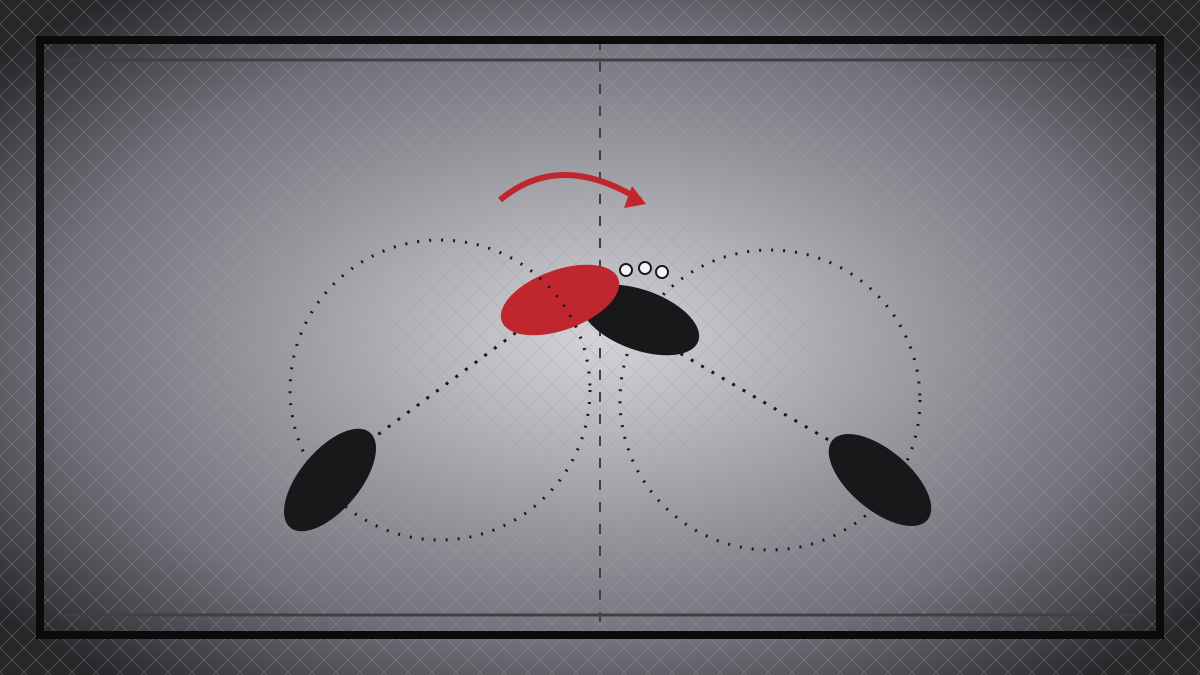
A pressure fighter comes forward all night. They cut off the ring, take punches to land punches, and try to make the other fighter work at a pace they hate. Their best friends are the ropes, the corners and the body.
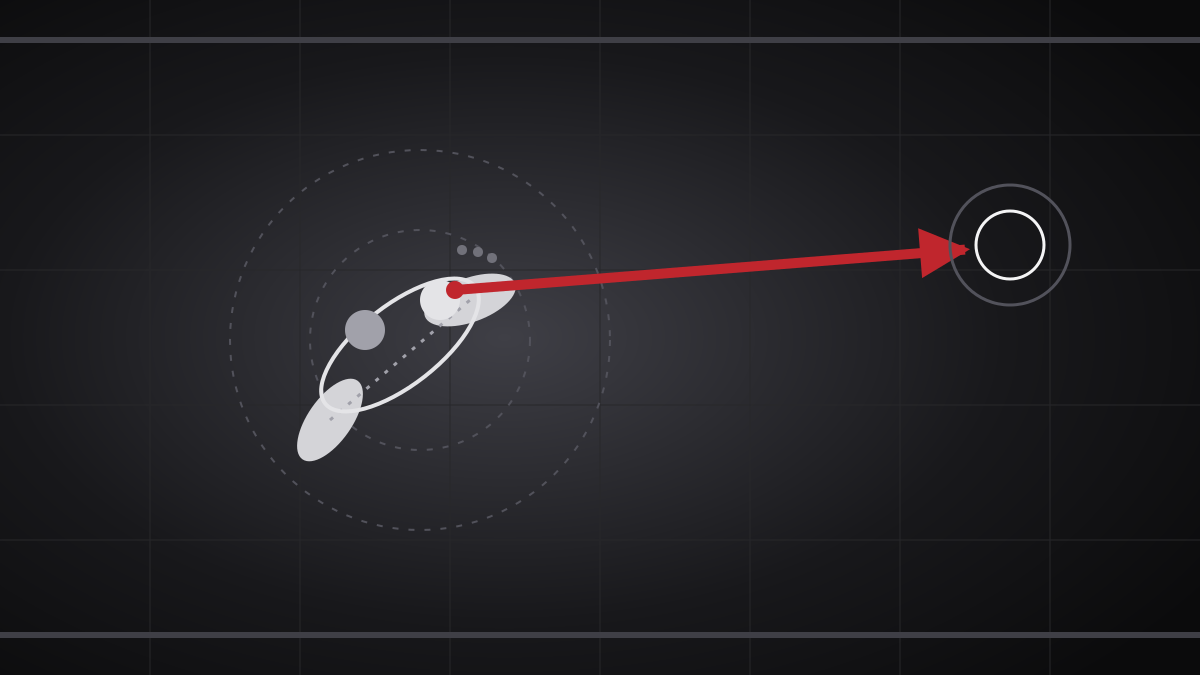
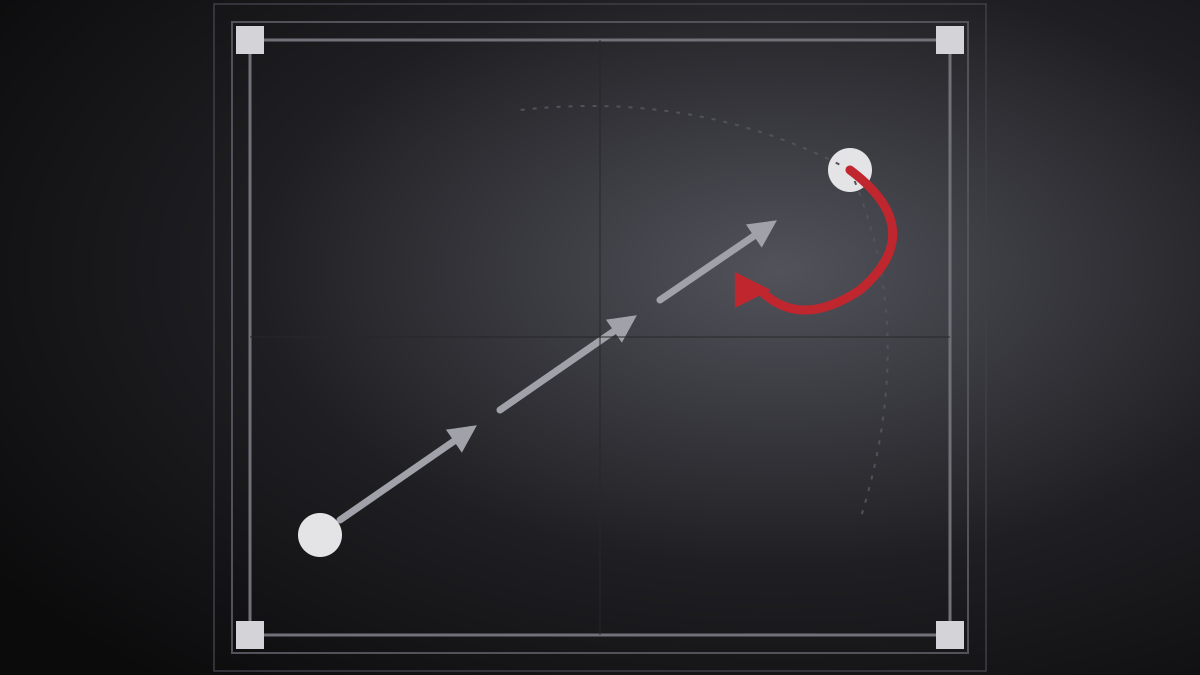
A counter-puncher lets the other fighter lead. They wait for an attack, avoid it, then hit back into the gap it leaves. A counter is exactly that: a punch thrown in reply, timed to land while the attacker is still exposed.
Neither is passive. The pressure fighter is setting traps with their feet. The counter-puncher is setting traps with their timing.
The five questions we ask
Every preview of this matchup starts here.
1. Can the pressure fighter cut off the ring? Walking forward is not pressure. Cutting off the ring is. That means stepping to the side the opponent wants to escape to, not following them in a straight line. Followers get countered. Cutters get to work.
2. Does the counter-puncher have a jab? A counter-puncher without a jab has to wait for everything. A counter-puncher with a jab can control distance and make the pressure fighter pay on the way in. Our guide to the jab explains why it matters so much here.
3. Who wins the body? Body punches drain legs. Tired legs cannot dance. If the pressure fighter is a good body puncher, the late rounds belong to them.
4. How does the pressure fighter take a shot? They will get hit coming in. That is the price. The question is whether clean counters stop them or just slow them. We judge this only from what happens in the ring. We never speculate about a fighter's health.
5. What is the stance matchup? Orthodox versus southpaw changes everything about angles. If it is an open-stance fight, the battle for the outside foot becomes the whole fight.
Rounds 1 to 3: the reading phase
Early rounds favour the counter-puncher. Usually.
They are fresh. Their legs are working. The pressure fighter has not yet broken anything down. Every lunge gets read.
What we watch:
- Is the counter-puncher landing first, or just avoiding?
- Is the pressure fighter getting to range without paying a price?
- Who is in the centre of the ring?
- Is the pressure fighter already working the body?
Close early rounds are hard to score. Avoiding punches looks good. It does not score points on its own. Judges score clean, effective punches. A counter-puncher who makes the opponent miss but lands nothing has not won the round, whatever the crowd thinks.
Rounds 4 to 8: the middle
This is where most of these fights are decided.
The pressure fighter's body work starts to show. The counter-puncher's feet slow down a fraction. Or they don't, and the pressure fighter's face starts to show the work instead.
What we watch:
- Is the counter-puncher spending more time on the ropes?
- Is the pressure fighter still cutting off the ring, or just following?
- Are the counters getting heavier as the pressure fighter tires?
- Who is setting the pace?
- Is either corner changing the plan between rounds?
Adjustments matter here. A smart counter-puncher may start leading. A smart pressure fighter may slow down and feint, making the counter-puncher commit first.
Rounds 9 to 12: the reckoning
Championship rounds. Twelve-round fights are the standard for major world titles. These last four are where conditioning tells.
Pressure fighters often finish strong. If the body work landed, the counter-puncher is now fighting on fumes. They hold more. They move less.
But counter-punchers can win these rounds too. A tired pressure fighter makes bigger, sloppier attacks. Bigger attacks leave bigger gaps.
What we watch:
- Who is holding? A clinch is when fighters tie each other up at close range. Lots of clinching late usually means someone is tired or hurt.
- Is the pressure fighter still throwing combinations, or single shots?
- Is the counter-puncher still countering, or only surviving?
- Who wants the final bell, and who wants more time?
The round-by-round watch list
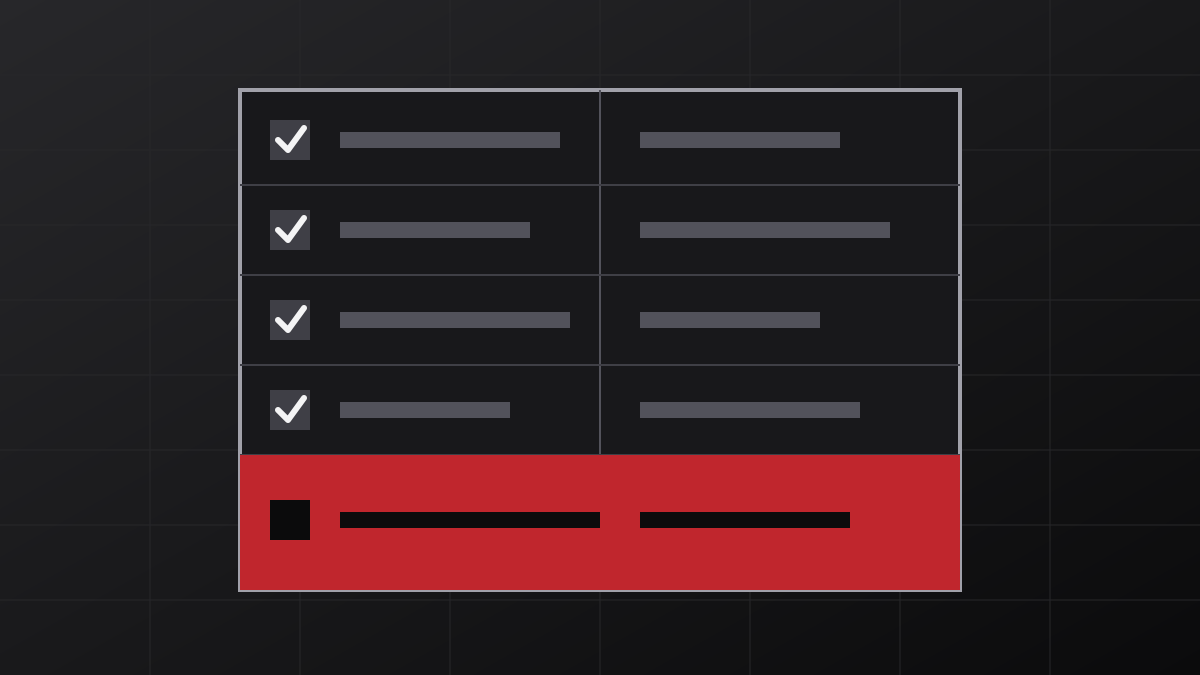
Here is the whole template in one table. We use it as a checklist when we write a preview and again when we score the fight live.
| Phase | Pressure fighter wants | Counter-puncher wants | What tells you who is winning |
|---|---|---|---|
| Rounds 1–3 | Get to range, start body work, take the centre | Land first, make them miss, establish the jab | Clean counters landed vs distance closed without cost |
| Rounds 4–8 | Pin the opponent to ropes, keep the body attack, raise the pace | Keep moving, punish entries, stay off the ropes | Where the fight is happening: centre or ropes |
| Rounds 9–12 | Break the opponent's legs, overwhelm with volume | Pick off a tiring opponent, avoid the clinch trap | Who is still throwing with intent, and who is surviving |
Simple. It works.
How we score these fights
These two styles make close rounds. Close rounds make arguments.
Our rule: clean, effective punching first. Effective aggression only counts if the aggressor is landing. Walking forward and missing is not effective aggression. Making someone miss and not punching back is not effective defence either, at least not enough to win a round on its own.
Here is an illustrative round, not a real fight, to show the kind of call we make:
| Fighter | Clean punches landed | Notable moments | Our card |
|---|---|---|---|
| Pressure fighter | Four, mostly to the body | Pinned opponent to ropes twice | 10 |
| Counter-puncher | Three, to the head | One sharp counter on the way in | 9 |
A tight round. Many would score it the other way. Head shots catch the eye. Body shots are easier to miss from a distance. That is exactly why we label our cards as ours and the judges' cards as theirs. For the full scoring rules, see how a boxing round is actually scored.
Common mistakes in previews
We see these all the time. We try not to make them.
- Assuming pressure always wins late. Not if the counter-puncher's legs hold.
- Assuming the counter-puncher is defensive. The best ones are offensive fighters who just let you go first.
- Ignoring the body. It decides more of these fights than the highlight reels suggest.
- Ignoring the referee. A referee who breaks clinches quickly helps the counter-puncher. One who lets fighters work inside helps the pressure fighter.
- Ignoring the ring size. A bigger ring gives the mover space. A smaller ring helps the presser. Ring dimensions are set within limits by each commission, so check the official details for a given card before leaning on this.
Making the pick
We do not pick on reputation. We pick on the five questions.
If the pressure fighter can cut off the ring and invest in the body, we lean their way, especially over twelve rounds.
If the counter-puncher has a sharp jab, good legs and a counter that makes opponents think twice, we lean the other way, especially early.
If it is open stance, we look at the feet first.
And we check the distance. Ten rounds and twelve rounds are different fights. Two extra rounds give body work more time to land. They also give a tiring pressure fighter more time to make mistakes. The scheduled distance is always confirmed against the official bout listing before we write a word of the pick.
Then we write it short. Who we like. Why. What would prove us wrong. A good preview tells you what to watch, not just who we think wins.
The final bell
Pressure versus counter. Will versus timing. It is the matchup that taught most of us to love this sport.
Watch the feet. Watch the body. Watch the ropes. And score it yourself. Then compare your card with ours, and with the judges'.